The lightness of accountability act too heavy for broken hearts
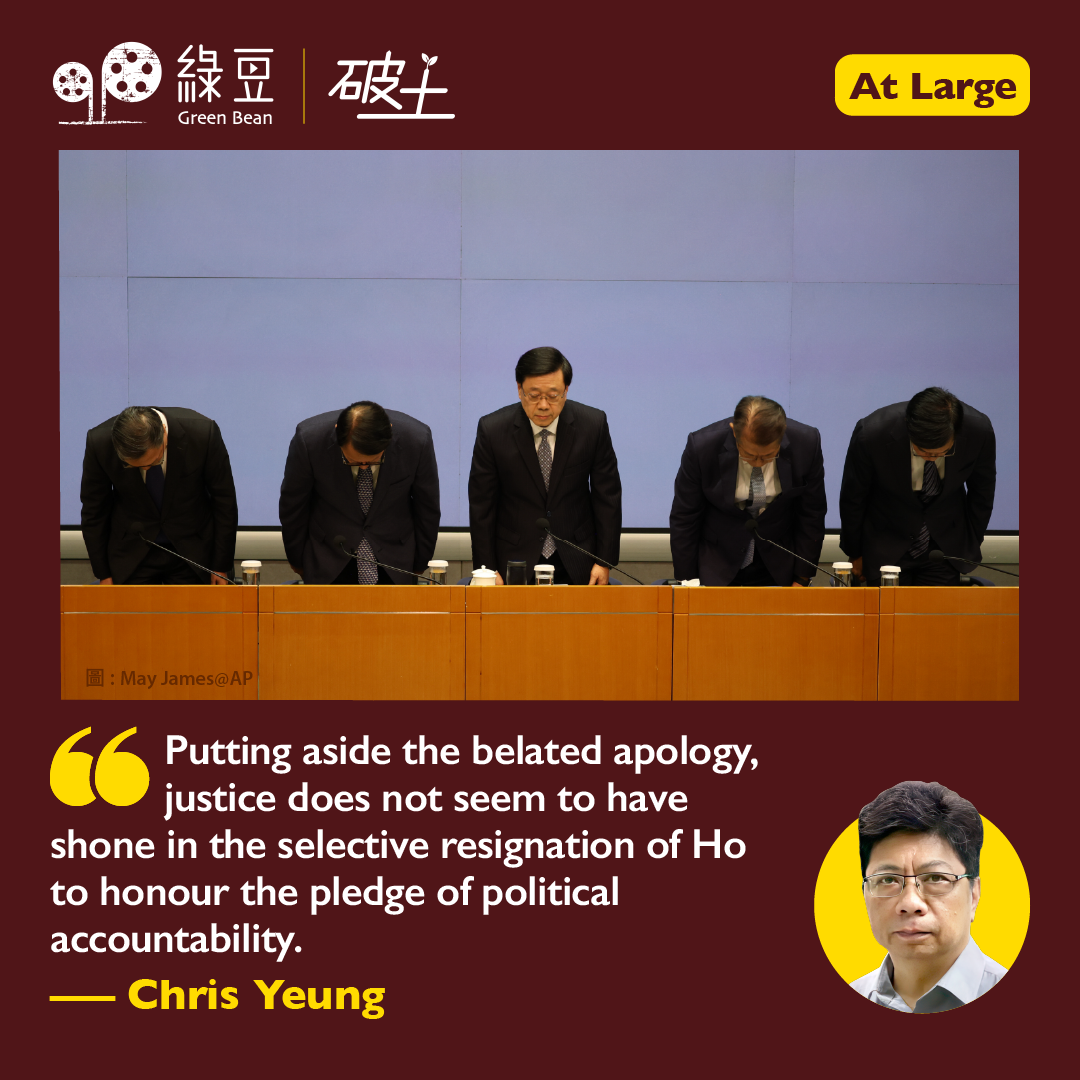
All eyes were on Chief Executive John Lee last week when he led his team of top aides to respond to the damning report on the Tai Po blaze compiled by an independent panel tasked with digging out the truth and finding ways to avoid the systemic failures.
Victims of the to-be-demolished Wang Fuk Court and ordinary citizens were not so much interested in the government’s response to the list of 120 recommendations made by the panel led by a senior judge, but who at the citadel of power should be punished and how.
Almost 11 months after the deadly fire broke out, Lee and his fleet of political appointees had failed to demonstrate an ounce of political accountability by, to say the least, taking a bow and saying sorry to the victims and the society at large, until last week.
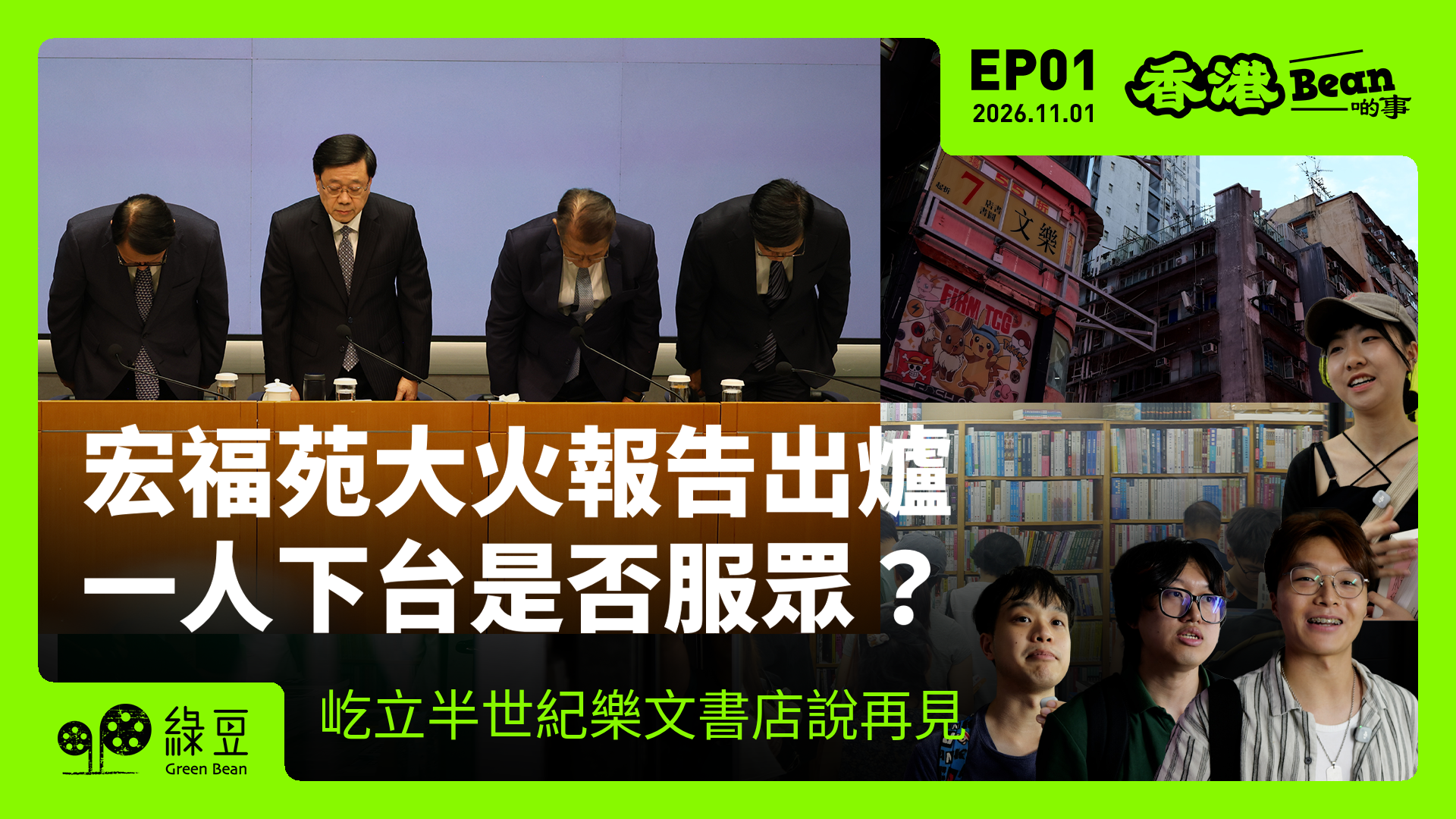
With their expectation of a show of political accountability by the Lee team brought down to zero, Lee kicked off his press conference on last Thursday (Oct 29) with a 10-second-long bow and an apology by him and seven top officials.
He announced Winnie Ho, who held the post of Secretary for Housing at the time of the deadly fire, had tendered her resignation to walk the talk of political accountability. Lee revealed he took the “political decision” on Ho’s departure after taking into consideration a list of factors, including her portfolio and the remedial tasks ahead.
◾Too little, too late and half-hearted
Though mildly-worded and carefully raised to avoid being seen as provocative, questions filed by reporters at the press conference and the responses were indicative of the verdict given by the Wang Fuk victims and the general populace.
In short, the belated show of political accountability is too little, too late and, arguably, half-hearted.
Start with the timing and the act of apology. With hindsight, a government apology should have been made on or before January 15 when 168 people were confirmed dead.
Since then, there were a handful of appropriate occasions including the beginning and the end of the public hearing for the government to ease the pain and the anger of the victims. The political price to pay for missing the opportunities is huge. Lee and his aide could only have them to blame.
Following the press conference, Ho talked of her resignation on social media, which was seen more as a statement of self-proclaimed achievements than a note of remorse to the failures and deficiencies of public servants under her leadership. A belated apology by Ho went missing.
◾The price of the minimalist approach
Importantly, three ministers with departments under their leadership being named for failure in the report did not respond to questions from reporters about their views on whether they should be held politically accountable. John Lee stonewalled those questions, reiterating that he made the decision of who should go.
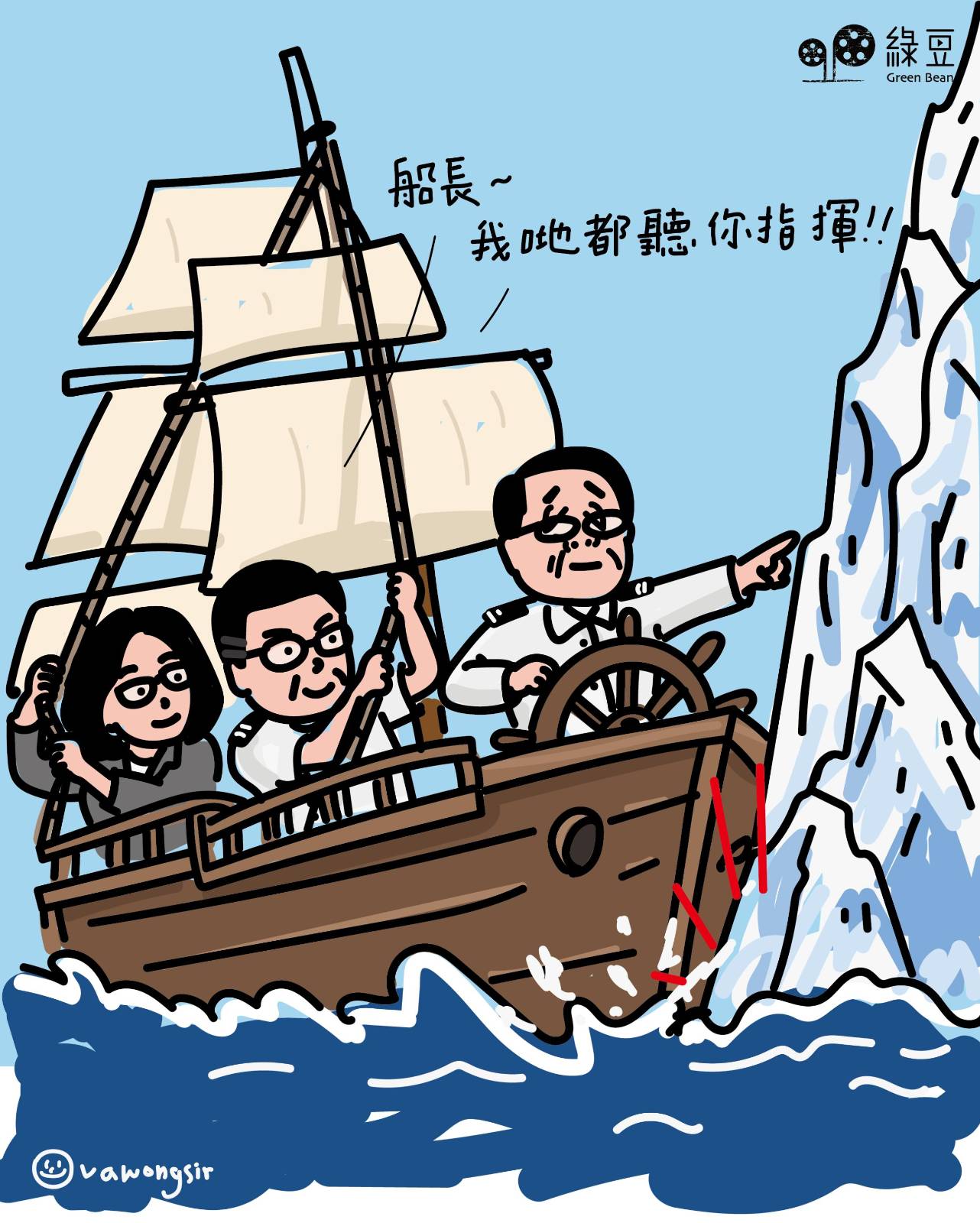
Development minister Bernadette Lin said at a press conference on Friday she had contemplated the idea of resignation, adding that she, as a crew member, must listen to the captain, i.e. John Lee.
Secondly, the pick of Winnie Ho as the minister to go. Lee understands a belated bow-and-apology is not enough. Knowing that heads must roll, he is determined to keep it to the minimum, i.e. one out of the four ministers who should take political responsibility as a matter of principle.
To him and most probably Beijing, chopping more than one head would be too drastic and may further weaken Lee’s authority. The price to pay for the minimalist approach is clear. It is vulnerable to doubts and criticism about the criteria of applying the principle and spirit of accountability in penalising ministers who were the Number One responsible persons in their respective policy areas.
His justifications are inevitably weak and, not surprisingly, have been greeted by doubts, speculation and cynicism. Worse, Ho’s half-hearted post-resignation statement helps little but dilutes the political effect of her move to stand down.
◾Justice Has Yet to Shine
Let’s face it. The devastating wounds and damages caused by what has been described as a “man-made disaster” have been done. They will take a long time to heal and fix if it ever will.
The chorus of praises swiftly heaped by the mainland authorities and the local loyalists is in odd contrast with the prevailing mood of futility sprinkled with voices of defiance from some Wang Fuk families.
The Wang Fuk tragedy will go down in history as a case of saddening failures in many aspects and fatal mistakes made by various stake-holders, in addition to flagrant violations of laws and habitual ignorance of rules.
Whether or not – and how – justice will be done in the pursuit of criminal responsibility and administrative responsibility that will involve dozens of people remains to be seen.
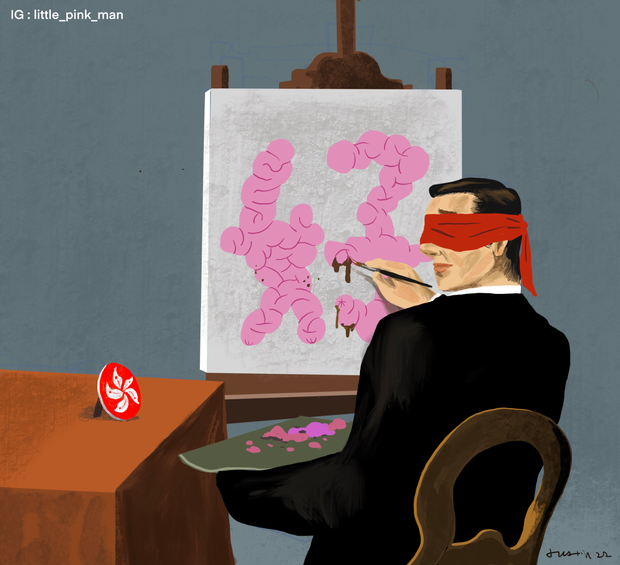
Putting aside the belated apology, justice does not seem to have shone in the selective resignation of Ho to honour the pledge of political accountability.
▌ [At Large] About the Author
Chris Yeung is a veteran journalist, a founder and chief writer of the now-disbanded CitizenNews; he now runs a daily news commentary channel on Youtube. He had formerly worked with the South China Morning Post and the Hong Kong Economic Journal.